


Near-Europe Logistics: How Production at the EU Border Shortens Aluminium Supply Chains

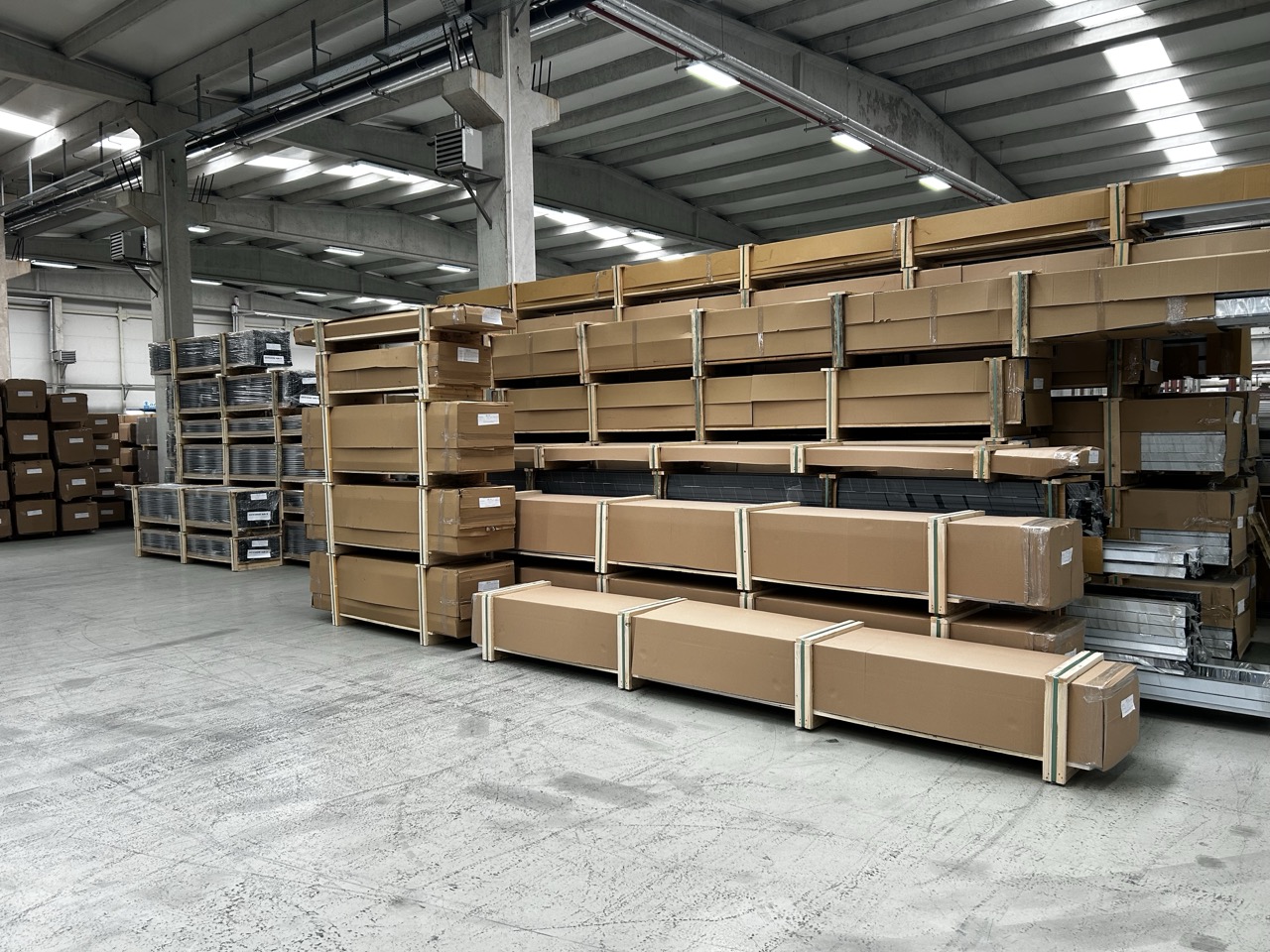
For European buyers of aluminium profiles, logistics is no longer a back-office detail — it shapes project timelines, stock planning and total landed cost. Production location, border crossings, documentation and packaging discipline all influence whether a profile programme runs predictably or not.
Why logistics matters in aluminium profile sourcing
Aluminium profiles are long, project-specific products. Standard profiles run up to 7 metres, which means transport planning, packaging and handling are part of the product itself — not an afterthought. Delays at borders, unclear documentation or inconsistent packaging can hold up an entire construction or industrial programme.
That is why more EU buyers are looking beyond unit price and asking a simpler question: how predictable is the supply route?
An EU production base next to the Turkish border
EAS Aluminium’s integrated production campus is located in Edirne OSB, Türkiye — on the main road corridor between Türkiye and Central Europe, close to the Kapıkule border crossing. For EU destinations, short road distances and established border procedures keep transit times predictable, with origin and CBAM documentation prepared for each order.
Extrusion, surface finishing, machining and packaging run under one responsibility on the same campus, just minutes from the EU border.
From tooling to logistics under one responsibility
Because tooling, extrusion, powder coating, anodizing, machining and packaging are handled within the same group, logistics planning starts early — at the quotation stage. Profile length, bundle configuration, labelling and delivery destination are agreed together with the technical details, so there are fewer surprises when the order reaches the loading bay.
Export preparation and documentation are part of the standard workflow. For CBAM-related programmes, product origin and supporting documentation are clarified order by order in the quotation process — without generic exemption claims.
What this means for European buyers
- Shorter, more predictable transport routes compared with intercontinental sourcing
- Short EU transport routes from our production campus at the border
- One contact point for production and delivery coordination across both sites
- Export experience to more than 40 countries
Plan your next programme with us
Share your profile drawings, alloy, surface finish and delivery destination — our sales and technical teams will coordinate a clear supply path from our BG–TR production setup. Contact us for a quotation, or learn more about our EU border location and Edirne factory.


