ANODIZING

Durability with a Touch of Elegance

Anodizing solutions that offer both protection and elegance.

ANODIZING

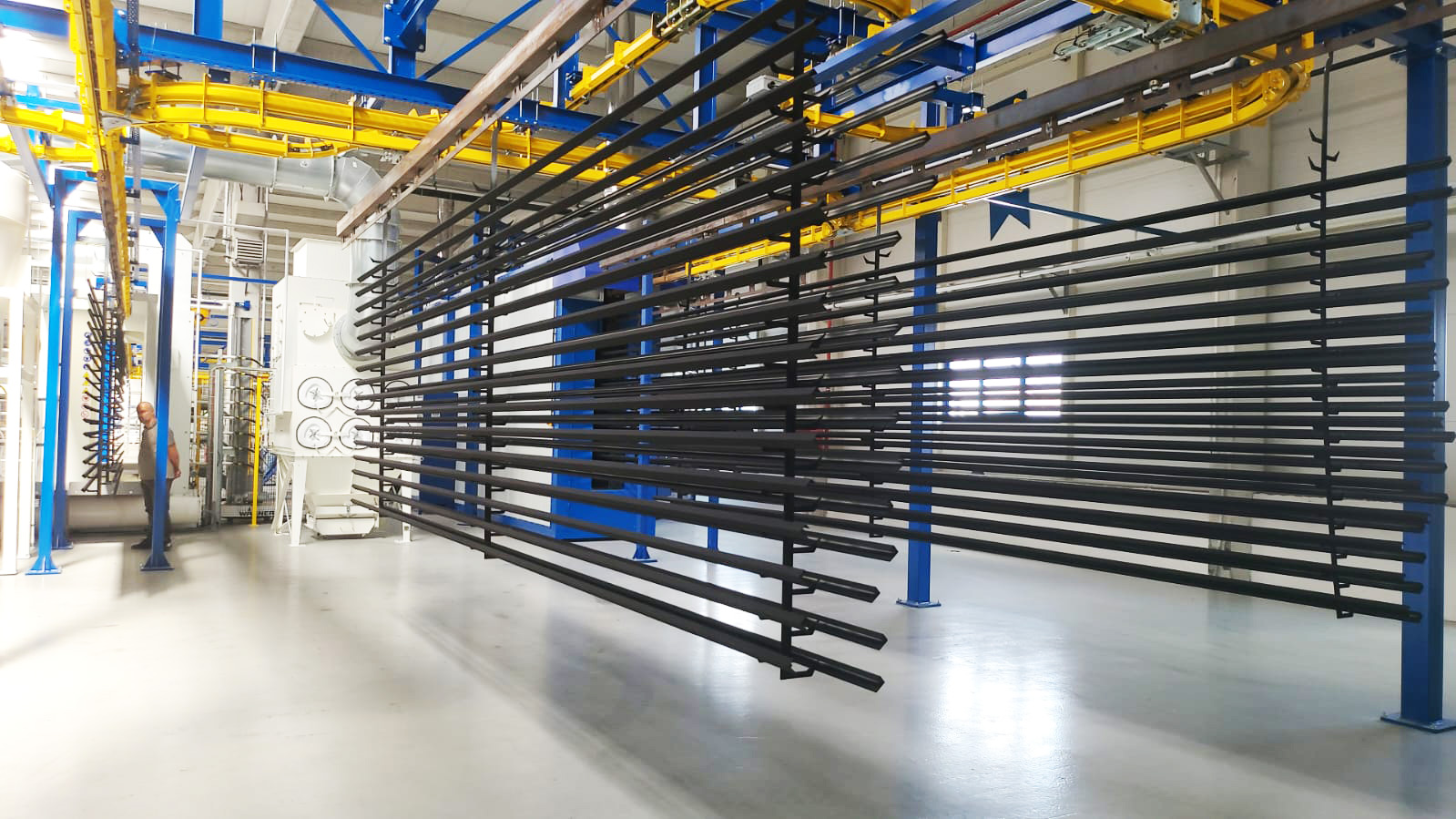
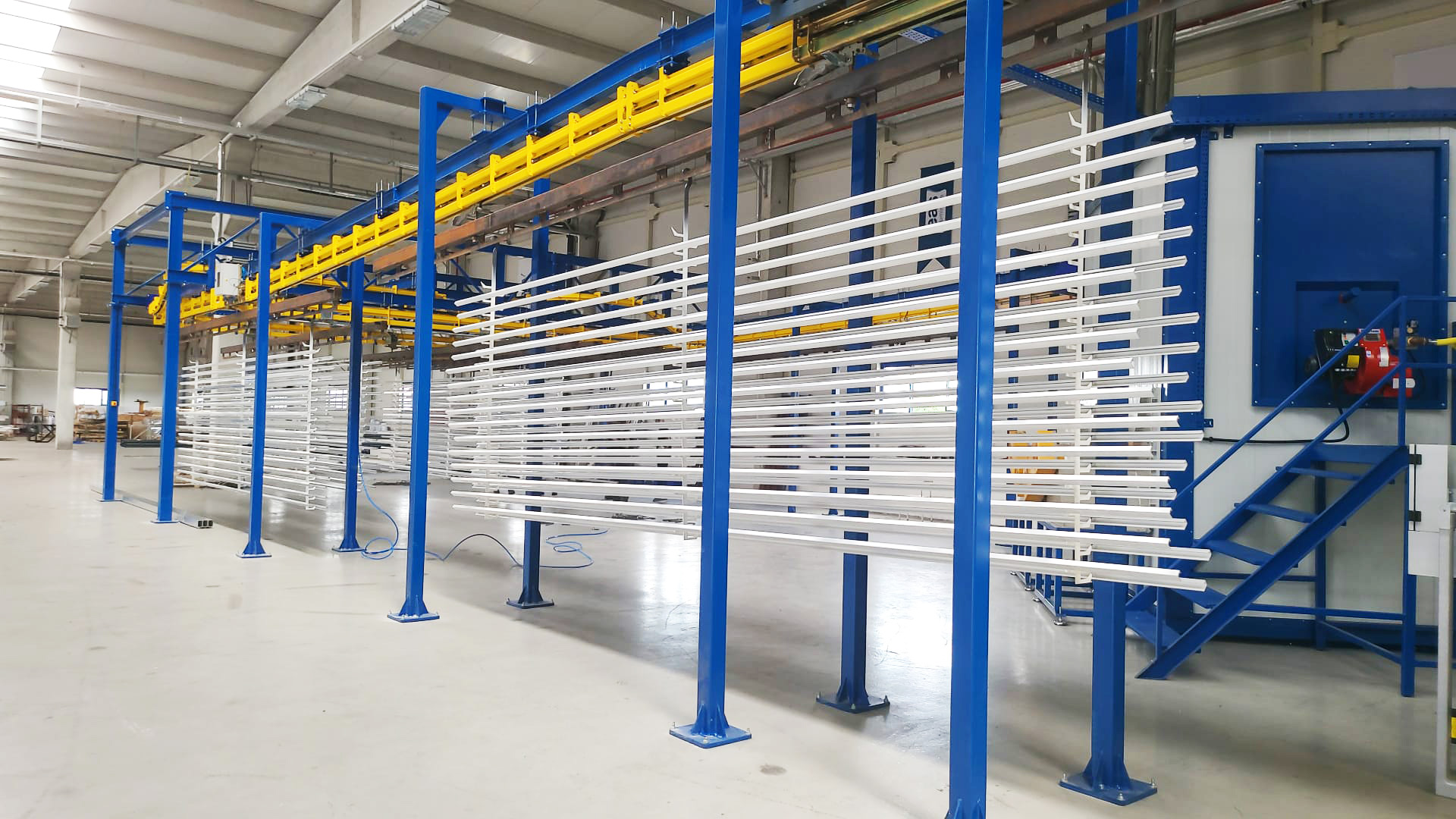
Anodizing is the process of thickening the natural oxide layer on aluminum surfaces in a controlled manner. This enhances resistance to external factors while giving the material an aesthetically pleasing appearance. At EAS Aluminium, we offer anodizing in various thicknesses and colors, meeting the technical and visual expectations of different sectors.

Thanks to anodizing, our products gain superior corrosion resistance, longevity, and environmental durability. With finishes ranging from gloss to matte and unique color effects, we add aesthetic value to architectural applications. Our anodizing operations are carried out with a strong focus on environmental sustainability, with careful waste management throughout the process.

Presezzi extrusion press line at EAS Aluminium
ANODIZING

Natural & Colored Anodic Finishes for Architectural Aluminium

EAS Aluminium delivers controlled electrolytic anodizing on extruded profiles — corrosion-resistant, UV-stable finishes with a distinctive metallic appearance for façades, windows, solar and industrial programmes from our integrated Svilengrad campus.

Highcapacity
Dedicated anodizing line for architectural and industrial profile batches
Natural& colored
Clear, bronze, black and project-specific anodic colour finishes
In-housefinishing
Extrusion and anodizing on one campus — fewer hand-offs, faster lead times
UV+durability
Hard oxide layer resists corrosion, weathering and abrasion for long-life use
40+countries
Anodized profiles exported across Europe and regional markets from Bulgaria
FROM PROFILE TO FINISH

How EAS Anodizing Works

An eight-step anodizing workflow — from surface preparation to export-ready profiles — designed for architects, fabricators and industrial buyers.

01
Profile Receipt
Incoming extruded or customer-supplied profiles inspected for surface condition and dimensions.
02
Pre-treatment
Degreasing, cleaning and surface preparation to remove oils and contaminants.
03
Racking
Profiles mounted on racks for uniform current distribution through the anodizing bath.
04
Anodizing
Controlled electrolytic oxide layer formation in sulphuric acid bath — film thickness to specification.
05
Coloring
Optional electrolytic or absorption colouring for bronze, black or architectural tones.
06
Sealing
Hot-water or cold sealing to close pores and lock in colour and corrosion resistance.
07
Quality Inspection
Film thickness, appearance and dimensional checks before release.
08
Export Dispatch
Anodized profiles labelled, protected and shipped from Svilengrad to EU and regional markets.
ANODIZING CAPABILITY

Technical Overview of EAS Anodizing Services

From natural clear anodizing to coloured architectural finishes, we anodize extruded aluminium profiles with documented quality — integrated with extrusion and logistics on one campus.

  • 5–25 µm thickness
  • 6xxx alloys
  • ISO quality system
Natural Anodized
Clear anodic finish preserving the metallic character of aluminium — ideal for architectural and decorative applications
Colored Anodizing
Bronze, black and project-specific anodic colours for façades, windows and design-led programmes
Layer Thickness
Controlled oxide film build typically from 5 to 25 µm depending on specification and end-use requirements
Alloy Range
Architectural and industrial alloys in the 6xxx series — see profile range for available sections
Applications
Façades, windows, solar frames, interior profiles, industrial components and OEM parts requiring corrosion resistance
Pre-treatment
Degreasing, etching and surface preparation to ensure uniform oxide formation and colour consistency
Integrated Production
Profiles extruded and anodized on site — extrusion and finishing under one quality system
Alternative Finishes
Powder coating also available in-house for projects requiring RAL colour films
Quality & Compliance
ISO-based QA, Qualanod standards and CBAM-ready documentation
FAQ

Anodizing — Questions & Answers

What is aluminium anodizing?
Anodizing is an electrolytic process that thickens the natural oxide layer on aluminium, improving corrosion resistance, surface hardness and appearance.
Which anodizing finishes does EAS offer?
We offer natural clear anodizing plus coloured finishes including bronze and black tones for architectural and industrial applications.
What oxide layer thickness can you achieve?
Typical anodic film thickness ranges from 5 to 25 µm depending on project specification, alloy and end-use requirements.
Can you anodize profiles extruded elsewhere?
Yes. We can anodize customer-supplied profiles subject to surface condition, alloy compatibility and pre-treatment requirements.
What is the difference between anodizing and powder coating?
Anodizing creates a metallic oxide layer integral to the aluminium; powder coating applies an organic paint film. See our powder coating page for comparison.
Which alloys are suitable for anodizing?
Architectural and industrial alloys in the 6xxx series are commonly anodized. Contact us with your alloy specification for confirmation.
Do you provide quality certificates?
Yes. EAS operates under ISO-based quality management with Qualanod standards and documented inspection — see quality & certificates.
How do I request an anodizing quote?
Share your profile drawings, alloy, finish colour, quantity and delivery destination. Our team will respond with lead time and pricing.
WHY EAS ANODIZING

Why Buyers Choose EAS Anodizing

Integrated Campus

Extrusion, anodizing and logistics on one site — unified quality control and shorter lead times.

Metallic Appearance

Natural anodic finish preserves aluminium character — unlike opaque paint films.

Corrosion Resistance

Hard oxide layer protects profiles in coastal, urban and industrial environments.

Colour Range

Clear, bronze, black and project-specific anodic colours for architectural specifications.

EU Supply Partner

Reliable B2B anodizing supply from Svilengrad with English-speaking project support.

SUSTAINABILITY & CBAM

Responsible Anodizing for the EU Market

Anodizing is a durable, long-life finishing process with no volatile organic compounds. EAS combines efficient production with integrated campus logistics and transparent carbon reporting for EU procurement requirements.

Long-life finishesHard anodic oxide layers extend product lifespan — reducing replacement cycles and material waste.
Recyclable aluminiumAnodized profiles remain fully recyclable — supporting circular economy goals in construction.
Integrated campusExtrusion and anodizing on one site — fewer transport legs and tighter process control.
CBAM documentationEmbedded carbon data for EU importers — see our quality & certificates and CBAM pages.