EAS Aluminium and Presezzi Enter a New Era of Collaboration

As competition in aluminium extrusion intensifies worldwide, EAS Aluminium is scaling up by adding another line to strengthen its international standing. The investment is based on the existing connection with Presezzi, an Italian manufacturer of extrusion presses.
The new line is part of EAS’s strategy to strengthen its position not only in the European but also in the global market. “In recent years, customer expectations within the aluminium extrusion industry have evolved significantly. Today, customers demand not only standard profile production, but also more complex geometries, superior surface quality, shorter lead times, and greater production flexibility,” Yunus Emre Düzyurt, founder and CEO of EAS, explains. The investment is supposed to provide a solution for this demand.
Insights into the line
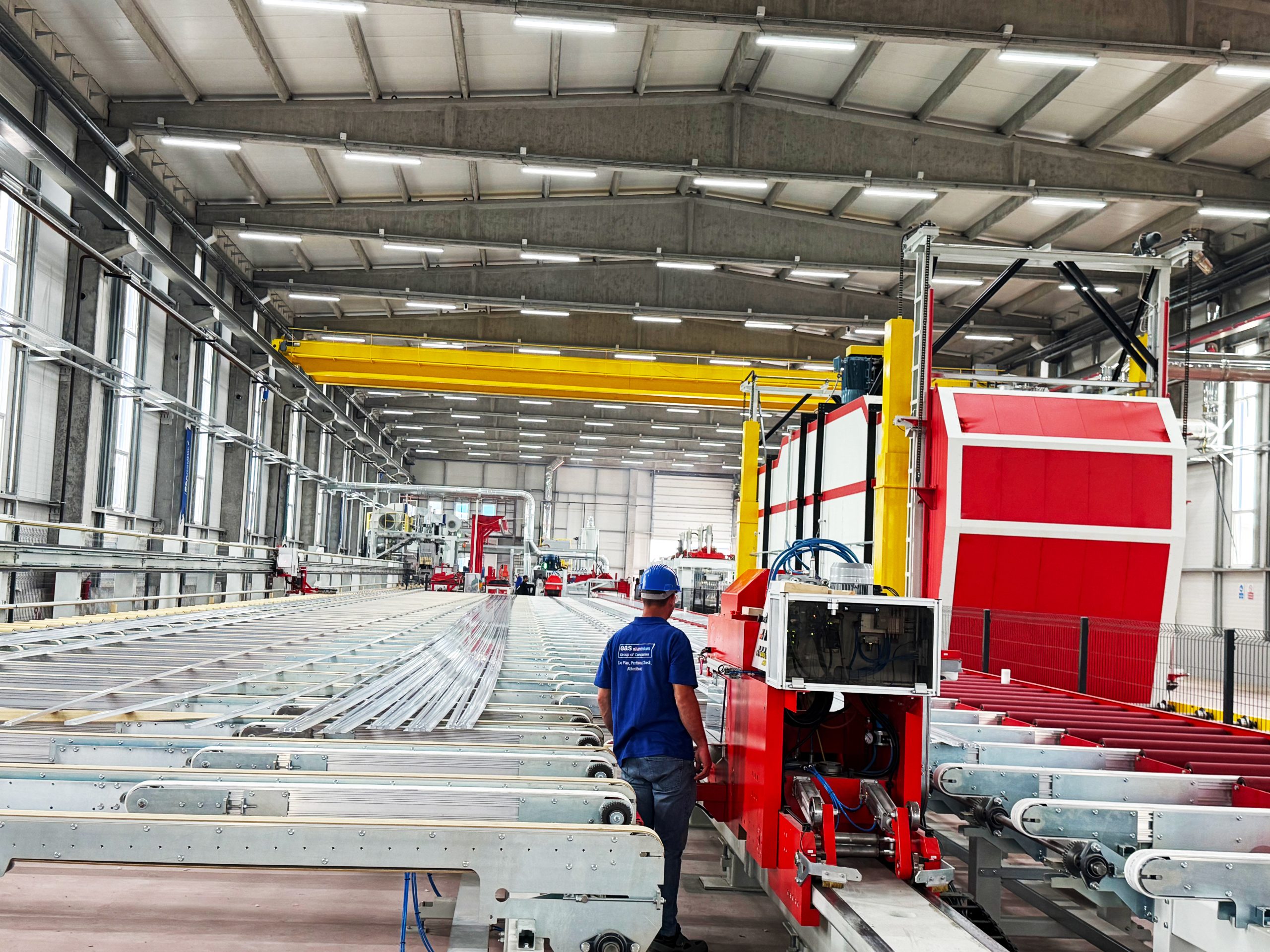
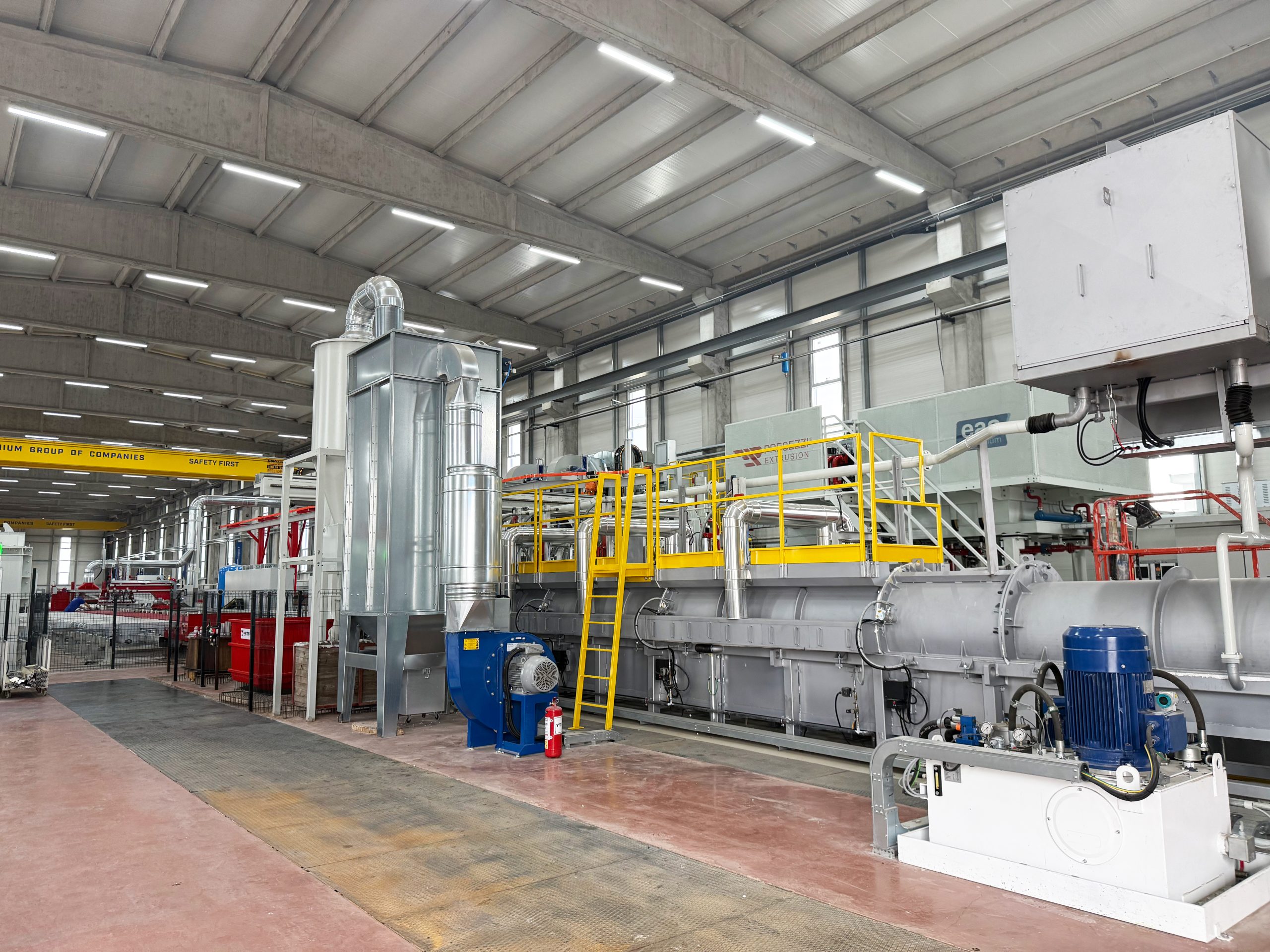
Presezzi’s line is built around a 19.5 MN, 7-inch front– loading extrusion press. It is equipped with advanced automation systems, a digital control infrastructure, and high-level energy-saving technologies. The approach: a fully integrated production.
Moreover, it includes automatic scrap handling systems, stacker and basket handling systems, aging ovens with automated loading and unloading, die ovens, billet heating infrastructure, precision cutting technologies, and digital process monitoring systems.
Dimensional stability under heavy loads is ensured by the structural strength of the press, while minimum tolerance deviation comes through precision cutting technologies. Furthermore, the line has a real-time production monitoring and process optimisation via digital tracking and data collection systems. Surface quality is achieved through nitrogen die cooling and the inert atmosphere created at the press outlet using nitrogen gas.
The annual production capacity is 20,000 t: An important expansion for EAS to establish itself as a global supplier on the market.

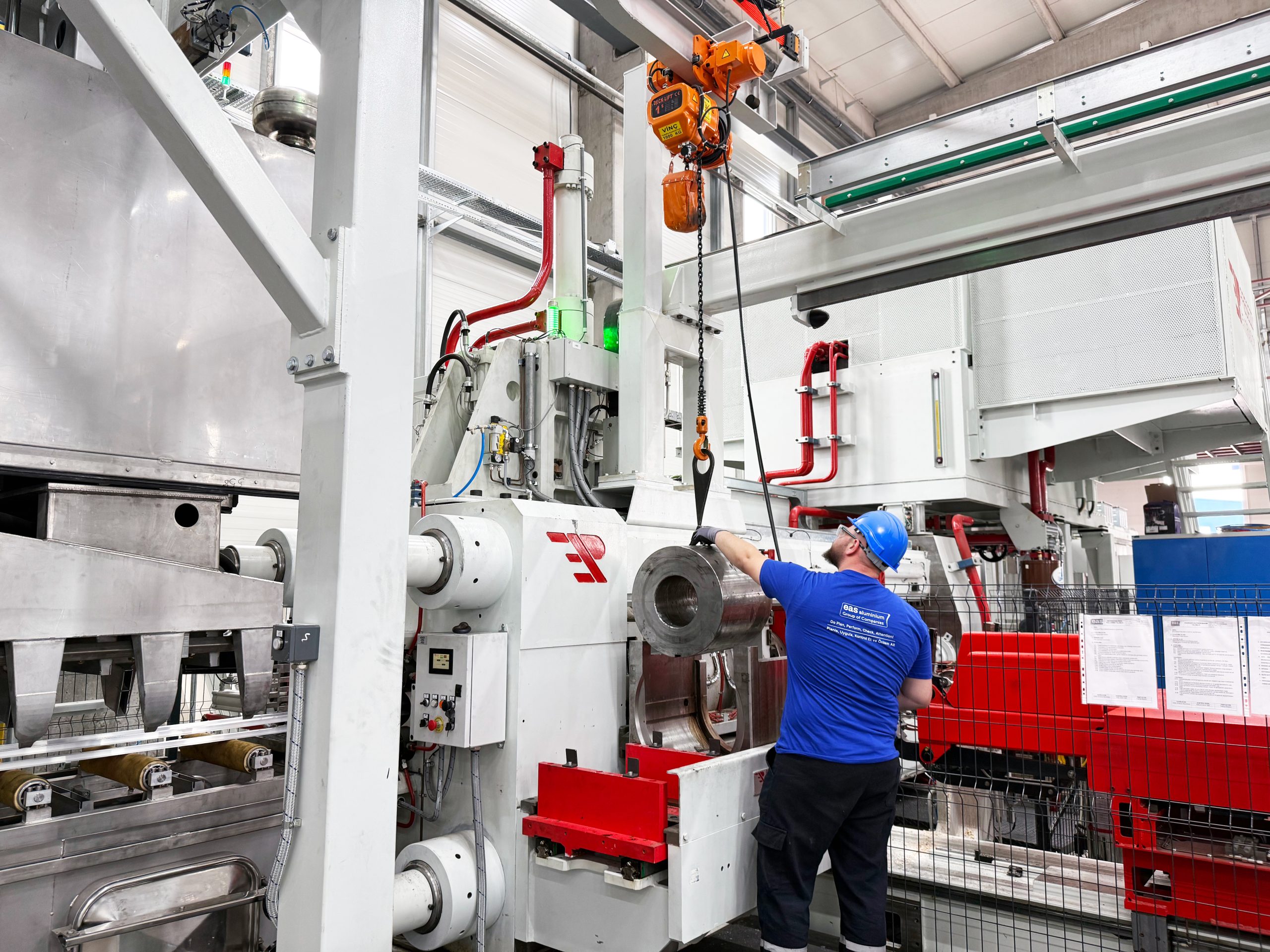
Traditional systems often require greater manual intervention during production, which can occasionally result in variations in process parameters and operational inefficiencies, EAS reports.
With the Presezzi line, however, EAS hopes to manage critical stages such as billet loading, heating, extrusion, cooling, stretching, cutting, and basket handling through a more controlled and automation-supported workflow. “In daily operations, we clearly observe more stable production parameters, faster transitions during profile changes, improved repeatability, and stronger quality control,” Düzyurt says.
What digital monitoring offers
EAS also stresses the digital monitoring infrastructure: The system tracks production processes more systematically and enables quicker intervention in the event of any deviations. Multiple parameters, including temperature, pressure, speed, cooling, and material handling, can be monitored with more accuracy with the new line. This should minimise human error, improve production repeatability, and help maintain stable production conditions even during transitions between different profile types.
For EAS, this brings a clear advantage in daily practice. Düzyurt adds: “The ability to track production data creates a strong foundation for faster decision-making, preventive maintenance, and continuous process improvement.”
Eliminating unnecessary energy consumption
But the workflow integration was not the only reason for EAS: Sustainability was one of the most important criteria behind this investment decision. As a company strongly focused on the European market, EAS naturally operates under policies such as CBAM. Therefore, working sustainably also ensures competitiveness.
The Presezzi line supports sustainable production through energy-saving systems, optimised motor and pump controls, efficient billet heating, advanced cooling infrastructure, and process control technologies designed to reduce scrap rates. “One of the system’s key advantages is its ability to consume energy only when required. Deactivating unused motors helps minimise unnecessary energy consumption,” Düzyurt says.
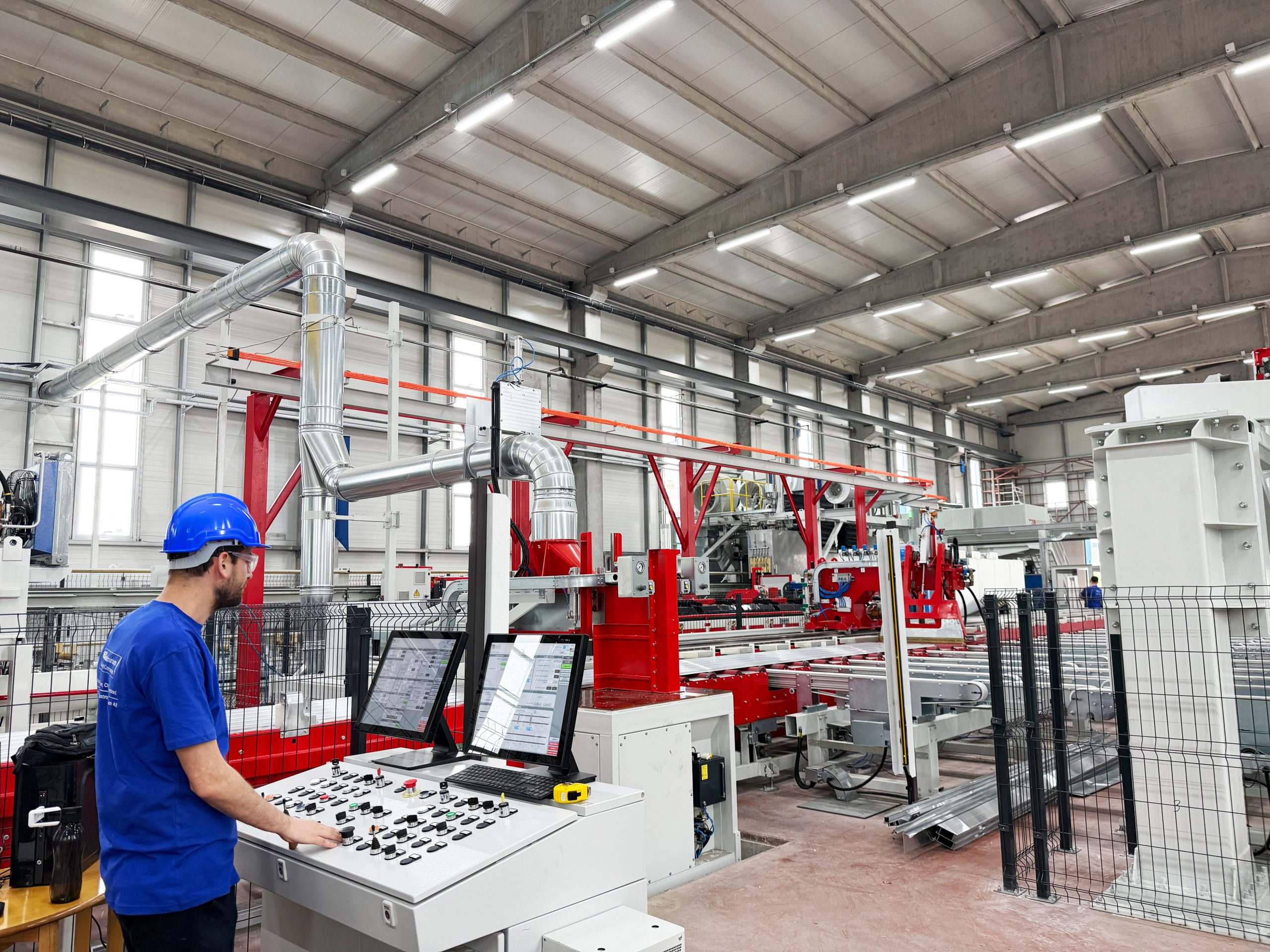
As the line has been commissioned recently, the effects on lead times, efficiency, and productivity are currently being measured under real production conditions. However, “Our initial assessments already demonstrate clear advantages in terms of faster production transitions, more stable process flow, improved capacity utilisation, and greater flexibility in responding to customer demands,” Düzyurt says.
In the long term, EAS hopes this line will strengthen their position as a more integrated, sustainable, and competitive manufacturer focused on high value-added aluminium solutions.